
5 Surprising Myths About Homelessness You Need to Know
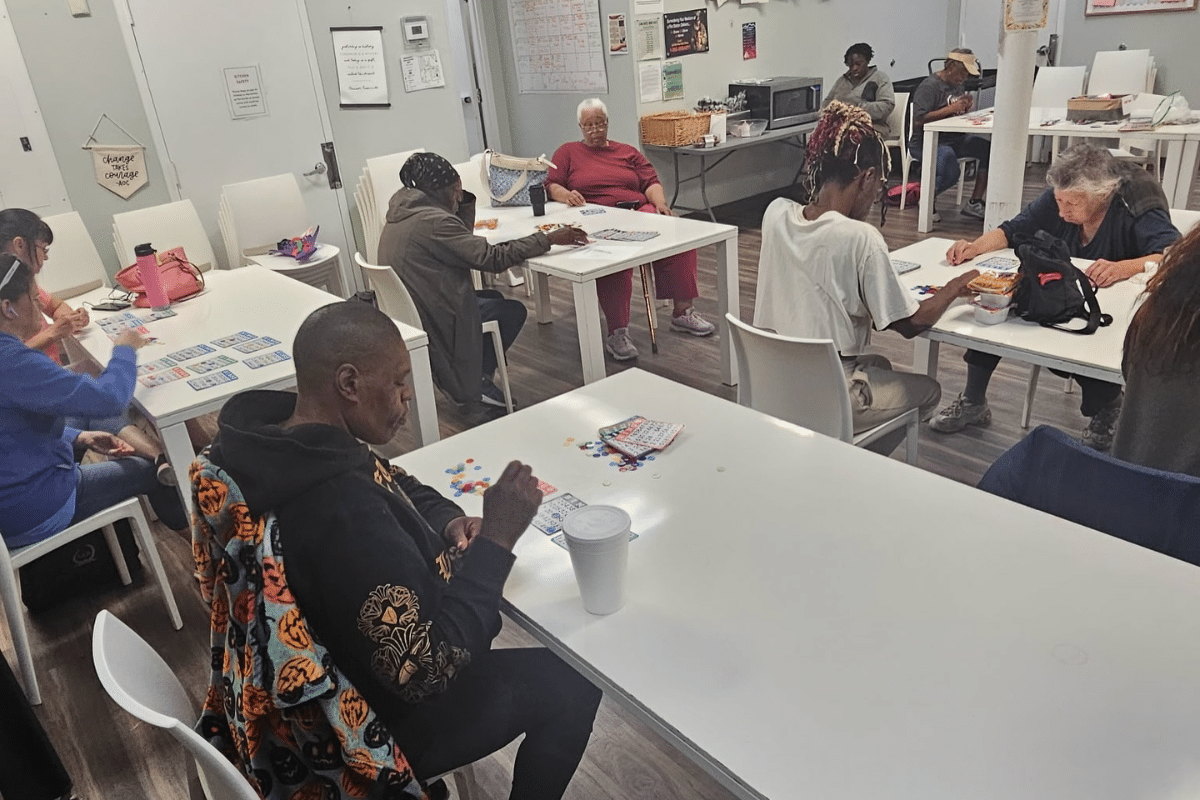
Myths about homelessness are everywhere. Maybe you’ve heard someone say, “They chose that life,” or “They just don’t want to work.” It’s easy to repeat what we’ve heard, but much of it simply isn’t true. These myths can lead to fear, misunderstanding, and missed opportunities to help.
If we want to make a real difference, we need to start with the truth. Let’s break down five of the most common myths about homelessness and look at what’s really going on behind the scenes.
Myth #1: Homelessness Is Always a Choice
This is one of the biggest myths about homelessness. The idea that someone would choose to live without a home seems hard to believe, but it’s a story that keeps getting passed around.
Most people who lose their housing didn’t want that to happen. They may have lost a job, escaped abuse, faced a medical emergency, or experienced something totally out of their control. Women with children are especially vulnerable and often end up unhoused because they’re fleeing unsafe situations or trying to protect their families.
At Pathways, we see the impact of myths about homelessness every day. That’s why we’ve created programs like our Day Center and Safe Haven to give women and children the shelter, support, and space to start again. These myths often hide the real reasons people lose housing. We know no one chooses this. They’re surviving the best way they can.
Myth #2: Homeless People Are Lazy
This myth is frustrating because it overlooks the effort and strength that people experiencing homelessness show every day. One of the most harmful myths about homelessness is that unhoused people don’t work, but many do. The problem is, jobs often don’t pay enough to cover rent, groceries, and childcare.
Even those who aren’t currently working often want to, but trauma, mental illness, or a lack of safe childcare can make it nearly impossible. That’s why our Early Learning Center is such a game-changer. It gives kids a safe, nurturing space while their moms focus on healing, job training, or recovery.
Myth #3: Homelessness Only Happens in Big Cities
Here’s one of the quieter myths about homelessness. Many people assume it only happens in large cities like New York or Los Angeles. But homelessness is present in small towns and rural communities too. It just tends to look different.
In some areas, families may sleep in their cars or move between friends’ or relatives’ homes. This kind of “hidden homelessness” doesn’t always show up in official data, but it’s just as real. Right here in Birmingham, we serve women and children who are facing these exact challenges. You might not always see them, but they’re here, and they need support.
That’s why we stay focused on our local community. We know the need is everywhere, not just in major cities.
Myth #4: Shelters Are Dangerous or Ineffective
Some people picture shelters as crowded or chaotic places that don’t truly help. And while every shelter is different, we work hard to make sure ours feels like a safe and welcoming space.
We offer more than a roof. We provide trauma-informed care, access to healthcare, emotional support, and a strong sense of community. Our Safe Haven program offers long-term housing for women with mental illness, and every space is created to be clean, calm, and respectful.
If you’re curious about the approach we take, this trauma-informed care webinar series from the National Health Care for the Homeless Council is a helpful resource that explains the practice in a clear and compassionate way.
We believe healing begins with safety. And breaking through myths about homelessness is part of making that safety possible. Each day, we work to create a place where women feel seen, supported, and secure.
Myth #5: It’s Hopeless to Try to End Homelessness
This one might be the most discouraging. When people believe homelessness can’t be solved, they often stop trying to help. But that belief isn’t true.
Communities that invest in affordable housing, mental health services, and wraparound care do see progress. And we witness it every week. Women come to us feeling overwhelmed and leave with new stability, jobs, and homes of their own.
We’re not just offering shelter. We’re building hope. Our programs are designed to meet people where they are and help them move forward with dignity and confidence.
Ending homelessness begins with believing it’s possible. And that means letting go of myths about homelessness that keep us from seeing people’s potential. Every day, we walk alongside women and children who are taking real steps toward a better future.
Changing the Narrative Starts with Us
Challenging myths about homelessness isn’t just about facts. It’s about how we treat each other. When we move past assumptions and stereotypes, we start to understand the real barriers that people face. And when we understand, we can respond with compassion and solutions that actually work.
We’ve seen how powerful that shift can be. A little understanding goes a long way in helping women and children rebuild their lives. When we replace myths with empathy and action, we all become part of something hopeful and lasting.
Let’s Talk About What’s Next
So many myths about homelessness are rooted in fear or misunderstanding. But when we take time to listen and learn, something changes. We stop seeing labels and start seeing people: moms, daughters, neighbors, and friends experiencing homelessness.
At Pathways, we’re here to offer more than shelter. We offer second chances, soft landings, and long-term support. Every person who walks through our doors matters. Every story deserves to be heard.