
The Importance of Trauma-Informed Care for Families in Transition
Some Wounds Aren’t Always Visible
When a family walks through our doors, we never know the full story right away. We don’t always see the pain they carry or the fear behind their eyes. But we do know one thing for sure: trauma has touched their lives. That’s why trauma-informed care isn’t optional. It’s essential.
For families in transition, the journey to stability is already tough. If we don’t approach their care with compassion and understanding, we risk adding to the hurt. Trauma-informed care gives us the tools to help families heal, not just survive.
What is Trauma-Informed Care?
Trauma-informed care is about more than offering services. It’s about understanding how trauma shapes a person’s world. Instead of asking, “What’s wrong with you?” we ask, “What happened to you?” That small shift changes how we support families. It builds empathy and trust, which are the foundation for healing.
Families in transition, especially women and children, often carry emotional scars from violence, poverty, and loss. By using trauma-informed care, we help create a space where they feel safe, respected, and empowered to move forward.
Why Families in Transition Need a Gentle Approach
When a family is in transition, they’re doing more than looking for a place to sleep. They’re trying to feel safe again. Many have lived through abuse, neglect, or deep poverty. Those experiences leave marks that don’t go away just because someone finds housing.
Imagine being a mother who’s finally found shelter but still jumps at loud noises or can’t sleep through the night. That’s trauma at work. Trauma-informed care helps us understand those reactions, so we can support instead of shame. It lets us meet people where they are, without judgment.
At our center, we use this approach every day. From the way we greet families to how we design our spaces, we focus on creating an environment that calms, not triggers. We know trust doesn’t happen overnight. So we stay patient. We stay consistent. And we keep showing up.
How Trauma-Informed Care Builds Trust and Healing
Trust is fragile when you’ve been let down again and again. Families in transition often come from situations where people or systems failed them. Trauma-informed care is our way of saying, “This time, it’s different.” We show that through actions, not just words.
We do this by being consistent and respectful. We keep our promises, explain what’s happening next, and let families make choices whenever possible. That might sound simple, but it’s powerful. It helps people start to believe again in others, and in themselves.
Children are especially sensitive to trauma. Studies show that ongoing trauma can affect a child’s development in deep and lasting ways. According to the National Child Traumatic Stress Network, complex trauma can impact a child’s ability to trust, regulate emotions, and form healthy relationships. That’s why our Early Learning Center is designed to be a peaceful, nurturing space where kids can just be kids. It’s one of the ways we use trauma-informed care to support healing from the ground up.
The Role of Staff in Trauma-Informed Care
For trauma-informed care to work, everyone on our team needs to understand it. It’s not just about training a few counselors, it’s about creating a culture of care. That means every person a family interacts with, from our front desk staff to our case managers, is equipped to respond with empathy.
We provide ongoing training for our team, because learning never stops. We teach how to recognize trauma responses, how to avoid triggers, and how to take care of their own mental health too. Burnout is real in this work, and we believe caregivers need care as well.
What makes our team special is the heart behind the work. We don’t just check boxes. We connect. And that’s the kind of support families in transition need: people who see them, not just their situation.
Creating a Sense of Belonging and Hope
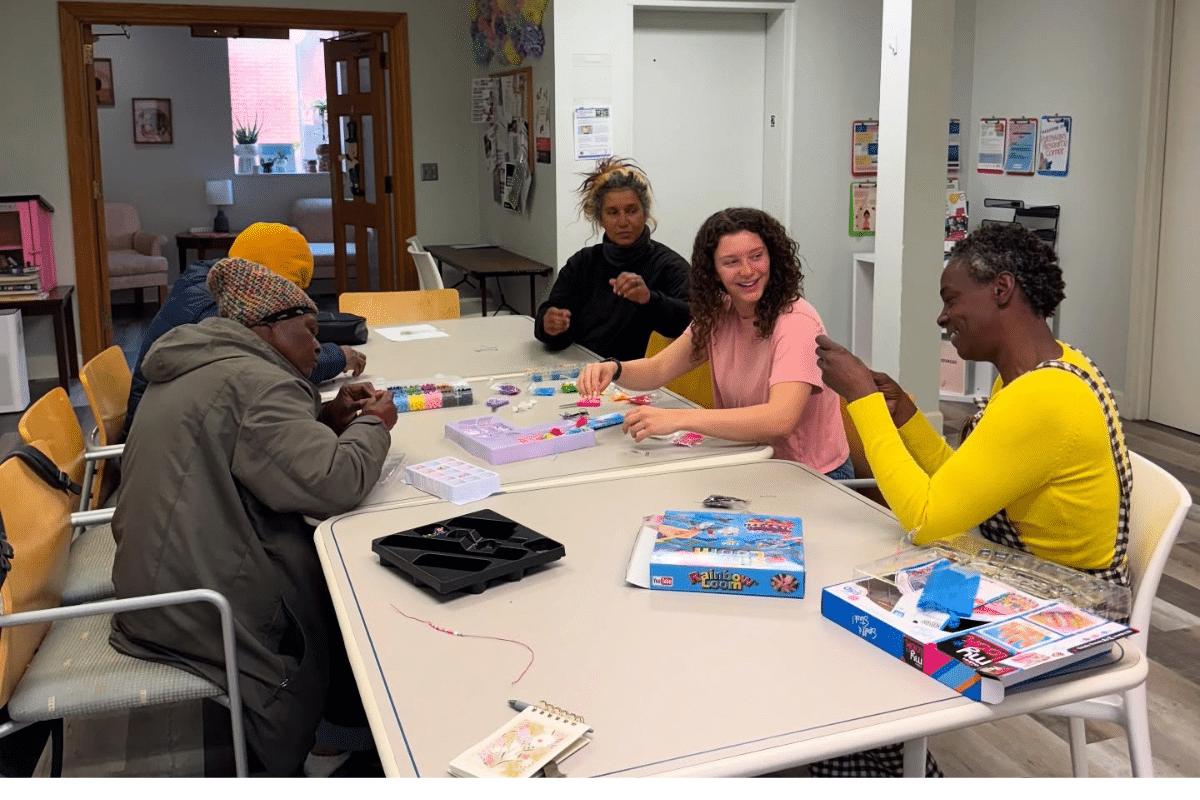
One of the most beautiful things about trauma-informed care is the way it builds community. Families in transition often feel invisible or ashamed. But when they walk into a space where they are welcomed with warmth and dignity, something shifts. They begin to believe in hope again.
Our goal isn’t just to provide temporary shelter. It’s to help families feel like they belong. That sense of belonging helps them dream again. Whether they’re applying for jobs, enrolling kids in school, or taking their first step toward permanent housing, we walk beside them.
At our Day Center and Safe Haven, we offer more than meals or beds. We offer hope, housing, and hospitality. Those three things work together to support healing and growth. And they’re all grounded in the principles of trauma-informed care.
Breaking the Cycle for the Next Generation
When we support a parent, we’re also shaping the future for their children. Trauma-informed care doesn’t just help families survive their current crisis, it gives them tools to break long-standing cycles of trauma and hardship.
Children raised in trauma-informed environments are more likely to thrive emotionally, socially, and academically. By supporting parents through our services and helping them feel safe, we empower them to become stable role models. That ripple effect can transform entire communities over time.
We’ve seen it firsthand. A mother regains confidence. A child starts sleeping through the night. A family finds permanent housing and begins to dream again. Each success story is a reminder that healing is possible, and generational change starts with compassion.
Real Change Starts with Compassion
Real healing doesn’t happen in a rush. It happens when people feel safe, valued, and empowered to move forward. That’s what trauma-informed care helps us do: it gives families in transition the space to breathe, the tools to rebuild, and the support to thrive.
This isn’t just theory. We’ve seen the difference it makes. We’ve seen women step into leadership roles, children regain their joy, and families build new futures. All because someone chose to care differently.
If you or someone you know needs help, we’re here. You’re not alone, and you don’t have to walk this journey by yourself.