
Using Mental Health Support as a Pathway to Stable Housing

One in three people without housing faces a mental health challenge. Mental health is crucial in achieving stable housing, especially for those facing housing insecurity. Many individuals without stable housing also struggle with mental health issues, making it harder to secure and maintain a home. Addressing mental health needs is essential in helping these individuals find long-term housing solutions. Mental health support can be a critical factor in achieving housing stability.
The Connection Between Mental Health and Housing Instability
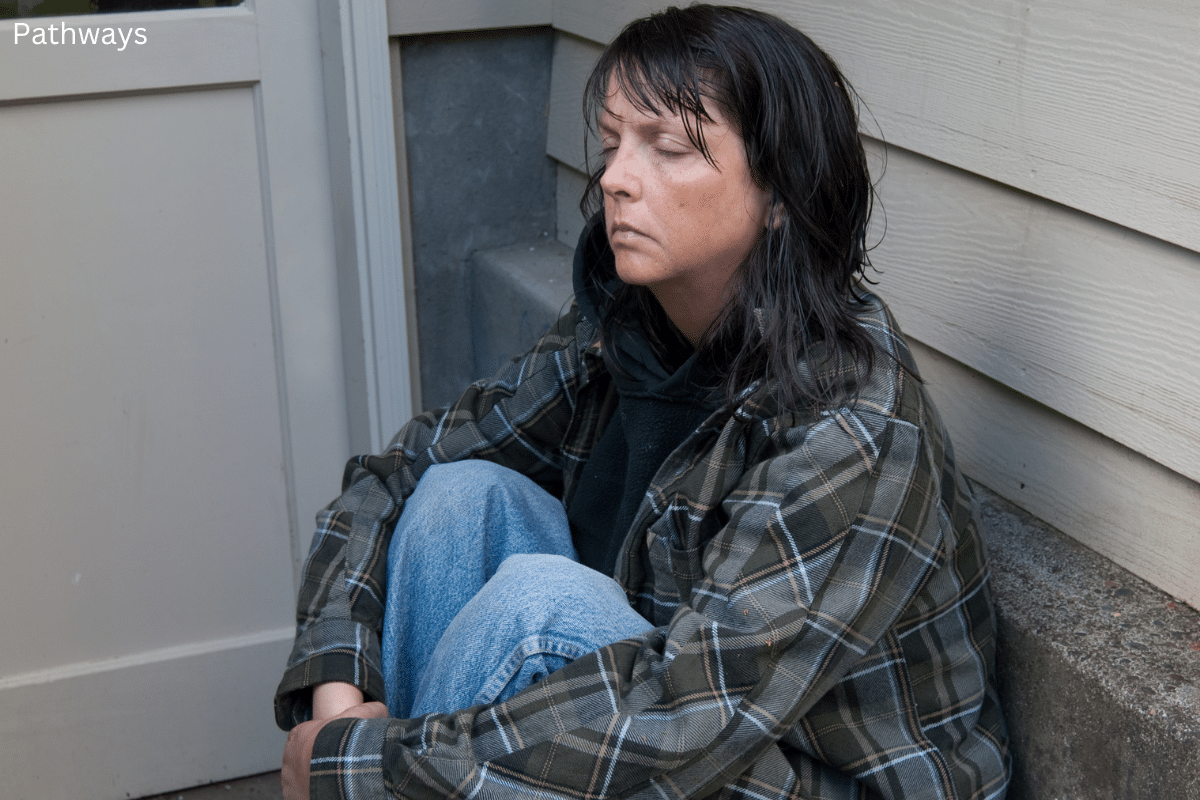
Mental health issues can both cause and result from housing instability. For some, untreated conditions like depression or schizophrenia lead to job loss and broken relationships, eventually pushing them into homelessness. Once people are without stable housing, the stress of living in uncertainty worsens these conditions, trapping individuals in a cycle of mental health decline and housing insecurity.
Being without stable housing is a traumatic experience. The instability and lack of security can trigger or intensify mental health challenges, creating a cycle that’s difficult to break without the proper support.
Barriers to Mental Health Care
For individuals facing housing insecurity, accessing mental health care is often difficult. Many do not have insurance or the financial resources to seek treatment. Additionally, the stigma around mental health prevents some from reaching out for help, limiting their access to necessary care. These barriers contribute to ongoing housing instability, as untreated mental health issues make it even harder to find and maintain housing.
Addressing Trauma
Trauma significantly impacts both mental health and housing instability. Many people become homeless due to traumatic events such as domestic violence or abuse. These experiences, combined with the trauma of homelessness itself, make recovery difficult without specialized care.
Trauma-informed mental health services are vital in helping individuals heal. By addressing the underlying trauma, these services provide a pathway to recovery and help people move toward stability and housing.
The Role of Mental Health Support in Stability
Mental health support is often the first step in helping individuals regain stability. Before they can focus on finding housing or securing employment, their mental health needs must be addressed. Counseling, therapy, and support groups help people develop coping mechanisms to manage the stresses of housing insecurity and create a foundation for rebuilding their lives.
Integrated Support Services
The most effective approach to addressing housing instability and mental health challenges is through integrated support services. These programs combine housing assistance, mental health care, and other support services, such as employment help and substance abuse treatment. By addressing multiple needs at once, these programs offer a holistic solution, helping people achieve long-term stability.
How Stable Housing Improves Mental Health
The relationship between mental health and housing works both ways. Just as mental health support can lead to stable housing, stable housing can improve mental health. Having a secure place to live reduces daily stress and provides a foundation for individuals to focus on their mental and emotional well-being. Stable housing gives individuals a sense of dignity and self-worth, which is crucial for long-term recovery.
The Role of Community Support
Community support is essential for both mental health recovery and housing stability. Local organizations, outreach programs, and community groups provide emotional and practical support to people facing housing insecurity. By offering a safety net, communities help individuals access the resources they need to stay stable.
Contact us at Pathways for integrated mental health and housing support. We offer comprehensive services that provide a pathway to stability and long-term recovery.